
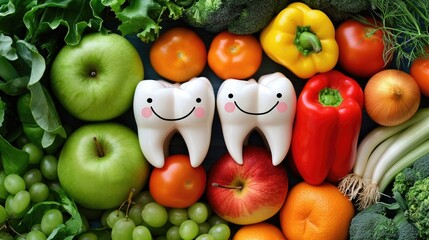
When most people think about dental health, brushing and flossing usually come to mind first. While those habits are essential, what you eat every day also plays a major role in keeping your teeth and gums strong. The foods you consume can either fortify your enamel and support gum tissue — or weaken them through sugar, acid, and nutrient deficiencies. At Drs. Rosen & Dworkin, PA, we believe that a healthy smile begins with mindful choices, both in your dental routine and at the dinner table. Let’s explore how nutrition affects your oral health and highlight the best foods to help keep your teeth and gums in top condition.
If you need care from a trusted dental practice, contact our office. Located in Marlton, NJ, we serve the Garden State and tri-state area.
How Diet Influences Oral Health
Your mouth is a gateway to your overall well-being, and every bite you take can have a direct impact on it. Nutrients like calcium, vitamin D, phosphorus, and antioxidants help rebuild enamel, reduce inflammation, and fight off bacteria. Conversely, a diet heavy in sugars and acids promotes plaque buildup and enamel erosion. When your body lacks the right vitamins and minerals, the mouth becomes more vulnerable to tooth decay, gum disease, and slow healing. Think of your diet as part of your daily dental care routine — right alongside brushing, flossing, and regular checkups.
The Best Foods for Strong Teeth
Dairy Products: Calcium Powerhouses
Milk, yogurt, and cheese are some of the best foods for your teeth. They’re rich in calcium and phosphorus, two minerals essential for strengthening enamel — the hard outer layer that protects against cavities. Cheese, in particular, also helps neutralize acid in the mouth, reducing the risk of decay. If you’re lactose intolerant, fortified almond milk or soy milk could be excellent alternatives. They provide many of the same enamel-protecting benefits without the discomfort of dairy.
Leafy Greens: Nutrient-Dense and Mouth-Friendly
Spinach, kale, and other leafy greens are loaded with vitamins and minerals that support oral tissue. They provide calcium for enamel, folic acid for gum health, and vitamin C to promote collagen production in gum tissue. Leafy greens also help maintain a balanced oral pH by increasing saliva flow. Try adding a handful of spinach to your morning smoothie or enjoying a kale salad with dinner to give your smile a nutritional boost.
Crunchy Fruits & Vegetables: Natural Toothbrushes
Crisp foods like apples, carrots, and celery do more than satisfy hunger — they help clean your teeth naturally. Their firm texture stimulates the gums and increases saliva flow, which washes away food particles and neutralizes harmful acids. Apples, for example, are high in fiber and water. Chewing them scrubs the surface of the teeth and helps prevent plaque buildup. Carrots and celery act similarly, providing a gentle “scrubbing” effect while delivering vitamin A, which is crucial for maintaining healthy mucous membranes in the mouth.
Nuts and Seeds: Tiny but Mighty
Almonds, walnuts, sesame seeds, and cashews contain important fatty acids, calcium, and magnesium, all vital for bone and tooth structure. Nuts also make great snack options because they are low in sugar and high in healthy fats. In particular, sesame seeds can help reduce plaque and strengthen enamel, while walnuts contain nutrients that support gum health, including omega-3 fatty acids, folate, and zinc.
Fish and Lean Meats: Building Blocks for Strong Enamel
Protein-rich foods like chicken, turkey, and lean beef provide phosphorus, an important mineral that works alongside calcium to rebuild tooth enamel. Fatty fish such as salmon, mackerel, and sardines are excellent sources of vitamin D, which helps the body absorb calcium more effectively. Adding these proteins to meals supports not just teeth but overall bone health as well.
Water: The Unsung Hero of Oral Health
Water is one of the simplest and most effective tools for maintaining a healthy mouth. It rinses away leftover food particles, dilutes acids produced by bacteria, and helps maintain moisture levels in the gums. Fluoridated water can also play an important role in protecting enamel. Fluoride strengthens the outer surface of teeth, making them more resistant to decay.
Aim to sip water throughout the day, especially after meals or snacks that contain sugar or starch.
Foods and Drinks to Limit or Avoid
Not all foods are kind to your teeth. Some can do real damage if consumed too often or without proper oral care afterward.
- Sugary foods and drinks: Candy, soda, and even fruit juices feed bacteria that produce acid, which erodes enamel and leads to cavities.
- Sticky snacks: Dried fruits and chewy candies cling to the teeth, increasing the likelihood of decay.
- Acidic foods: Citrus fruits, tomatoes, and vinegar-based dressings can wear down enamel over time.
- Coffee, tea, and red wine: While not harmful in moderation, these drinks can stain teeth and dry out the mouth.
If you enjoy these items, try rinsing your mouth with water afterward or consuming them with a meal to reduce their effects.
Building a Tooth-Healthy Eating Routine
Improving your diet for better oral health doesn’t require drastic changes — it’s about consistency and smart choices. Here are a few practical tips:
- Balance your meals: Combine protein, whole grains, fruits, and vegetables to give your teeth the nutrients they need.
- Snack wisely: Choose crunchy vegetables, cheese cubes, or nuts instead of sugary treats.
- Time it right: Eating at regular intervals reduces acid attacks caused by frequent snacking.
- Drink more water: It’s the simplest habit that protects your smile and supports digestion, hydration, and freshness.
The key is to maintain variety and moderation. You don’t need to give up your favorite foods, but balancing them with protective options can go a long way toward keeping your smile healthy.
Nutrition & Dental Visits: The Perfect Partnership
Even with a perfect diet, professional dental care can play a critical role. Regular cleanings and exams help identify early signs of decay or gum disease that might not be visible yet. The right dentist can provide personalized advice to help patients improve both their oral hygiene routines and dietary habits. During your visits, they can recommend diet adjustments tailored to specific needs — whether it’s reducing acidity, strengthening enamel, or supporting gum recovery after treatment.
Eating Well. Smiling Better.
Your diet has a direct and lasting effect on your teeth and gums. By eating nutrient-rich foods, limiting sugar and acid intake, and keeping up with regular dental care, you can help protect your smile for years to come. At Drs. Rosen & Dworkin, PA, we’re passionate about helping patients make informed choices that lead to healthier, brighter smiles. Request an appointment with us, and take an important step toward healthier teeth and gums.
Important note: Make sure to follow your medical-related dietary restrictions. Consult with your dentist or primary care doctor first over any foods or beverages that you are unsure of.