
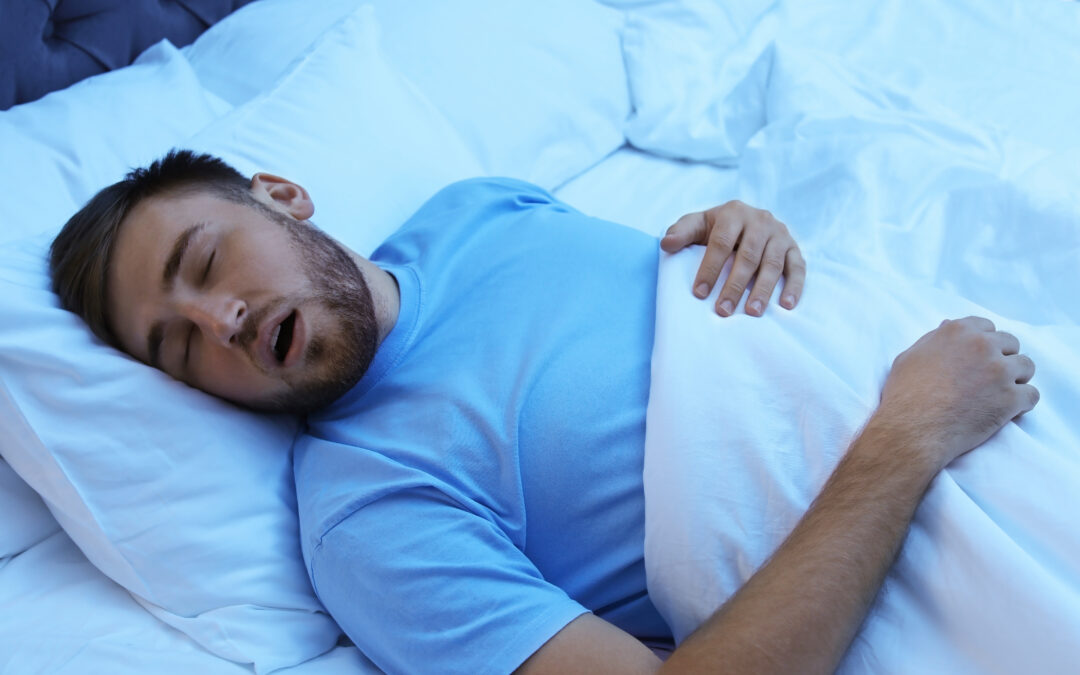
Sleep apnea is often associated with loud snoring or referrals from a primary care physician, but many of its earliest warning signs appear inside the mouth. At Drs. Rosen & Dworkin, PA – Family and Cosmetic Dentistry, our team understands how closely oral anatomy and breathing are connected. A routine dental visit can reveal indicators of airway obstruction long before a patient seeks medical care for sleep-related symptoms. This article discusses the link.
If ongoing fatigue, tooth wear, or jaw discomfort sound familiar, a dental evaluation may offer valuable insight. Reach out to our office and schedule an appointment. We serve Marlton, NJ, and other communities in the tri-state area.
Why Sleep Apnea Extends Beyond Medicine Alone
Obstructive sleep apnea (OSA) occurs when the airway collapses repeatedly during sleep, disrupting breathing and oxygen levels. Over time, untreated OSA has been associated with cardiovascular disease, metabolic issues, and impaired concentration. Diagnosis requires a sleep study overseen by a physician, yet dentists frequently play an early role because of their regular access to the structures that influence airflow.
A dentist well versed in sleep apnea evaluates the jaw, tongue, teeth, and surrounding tissues at close range — areas directly involved in airway stability. This perspective allows them to recognize anatomical risk factors well before symptoms escalate.
Key Oral Signs Dentists Often Identify First
Certain physical characteristics within the mouth may suggest chronic airway restriction. Dentists trained in airway dentistry often look for:
- Scalloped tongue edges: Indentations along the tongue may indicate crowding caused by limited space in the oral cavity.
- Excessive enamel wear: Flattened or fractured teeth can point to nighttime grinding linked to disrupted breathing.
- Narrow dental arches: Constricted arches may reduce airway volume and increase collapse risk.
- Jaw positioning concerns: A retruded lower jaw can allow the tongue to fall backward during sleep.
While these findings do not diagnose sleep apnea, they often prompt further screening and collaboration with medical providers.
Understanding the Connection Between Bruxism & Apnea
Teeth grinding is frequently dismissed as stress-related, yet bruxism and apnea commonly occur together. Research suggests grinding may be a reflexive response as the body attempts to reopen a restricted airway. Over time, this pattern can lead to cracked teeth, headaches, facial pain, and temporomandibular joint discomfort. Dentists are often the first to recognize this connection. When tooth wear appears alongside reports of snoring or daytime exhaustion, further evaluation becomes an important next step.
What a Dental Sleep Screening Involves
A dental sleep screening is an observational and educational process rather than a formal diagnosis. It typically includes:
- Discussion of sleep habits, snoring, and daytime fatigue
- Assessment of oral and facial anatomy related to airway size
- Evaluation of tooth wear, bite alignment, and tongue posture
- Referral to a physician or sleep specialist when risk factors are present
This approach complements medical evaluations and helps patients pursue sleep studies sooner rather than later.
Oral Appliance Therapy as a Treatment Option
After a physician confirms sleep apnea, dentists may provide oral appliance therapy for eligible patients. These custom-made devices are commonly recommended for individuals with mild to moderate OSA or those unable to tolerate CPAP therapy.
A frequently prescribed option is the mandibular advancement device, which gently shifts the lower jaw forward during sleep. This forward positioning helps keep the airway open by stabilizing soft tissues and preventing collapse.
Potential advantages of oral appliances include:
- Greater comfort compared to CPAP masks
- Quiet operation and easy portability
- Reduced snoring for patients and partners
- Custom fabrication and ongoing dental oversight
Because fit and follow-up matter, therapy should always be managed by a dentist with training in airway-focused care. Dental patients curious about candidacy can schedule a consultation to learn more.
Airway Dentistry & Whole-Body Wellness
Airway dentistry reflects a broader understanding that oral health influences overall well-being. Poor sleep affects inflammation, hormone regulation, and immune function. Identifying airway-related concerns early supports better long-term health outcomes.
National organizations continue to stress early recognition. The National Heart, Lung, and Blood Institute outlines the risks of untreated sleep apnea, while the American Dental Association has explored the dentist’s role in managing bruxism and sleep-related breathing disorders.
Why Collaboration Between Dentists & Physicians Matters
Effective sleep apnea care relies on teamwork. Physicians diagnose and manage systemic health concerns, while dentists address structural contributors and deliver oral appliance therapy when appropriate. The teaming up of these professionals benefits patients by streamlining care and avoiding delays.
When to Bring Sleep Concerns to Your Dentist
Consider discussing sleep-related symptoms during your dental visit if you experience:
- Persistent snoring or nighttime gasping
- Unexplained tooth wear or jaw soreness
- Daytime fatigue despite adequate sleep duration
- Morning headaches or chronic dry mouth
Even without a prior diagnosis, these signs justify a closer look from a dental perspective. Starting the conversation early can make the difference.
Seeing Sleep Apnea Through a Dental Lens
Sleep apnea often develops quietly, and many individuals live with symptoms for years before receiving answers. By recognizing how oral anatomy and airway function intersect, dentists can uncover risks earlier in the process. Drs. Rosen & Dworkin, PA – Family and Cosmetic Dentistry is committed to a collaborative, airway-focused approach that supports healthier sleep and long-term wellness. If you suspect your oral health may be affecting your rest, now is the right time to act — schedule an appointment and take the first step toward better sleep.